[00:00:00] Speaker A: The views and opinions expressed on the following program may not necessarily reflect the views of the staff, management, or board of Hope Media Group and ksbj. It's what's happening around us in our town, suburb, city, and our community. It's Community Beat with Kim Kassi McKee on 89.3 KSBJ.
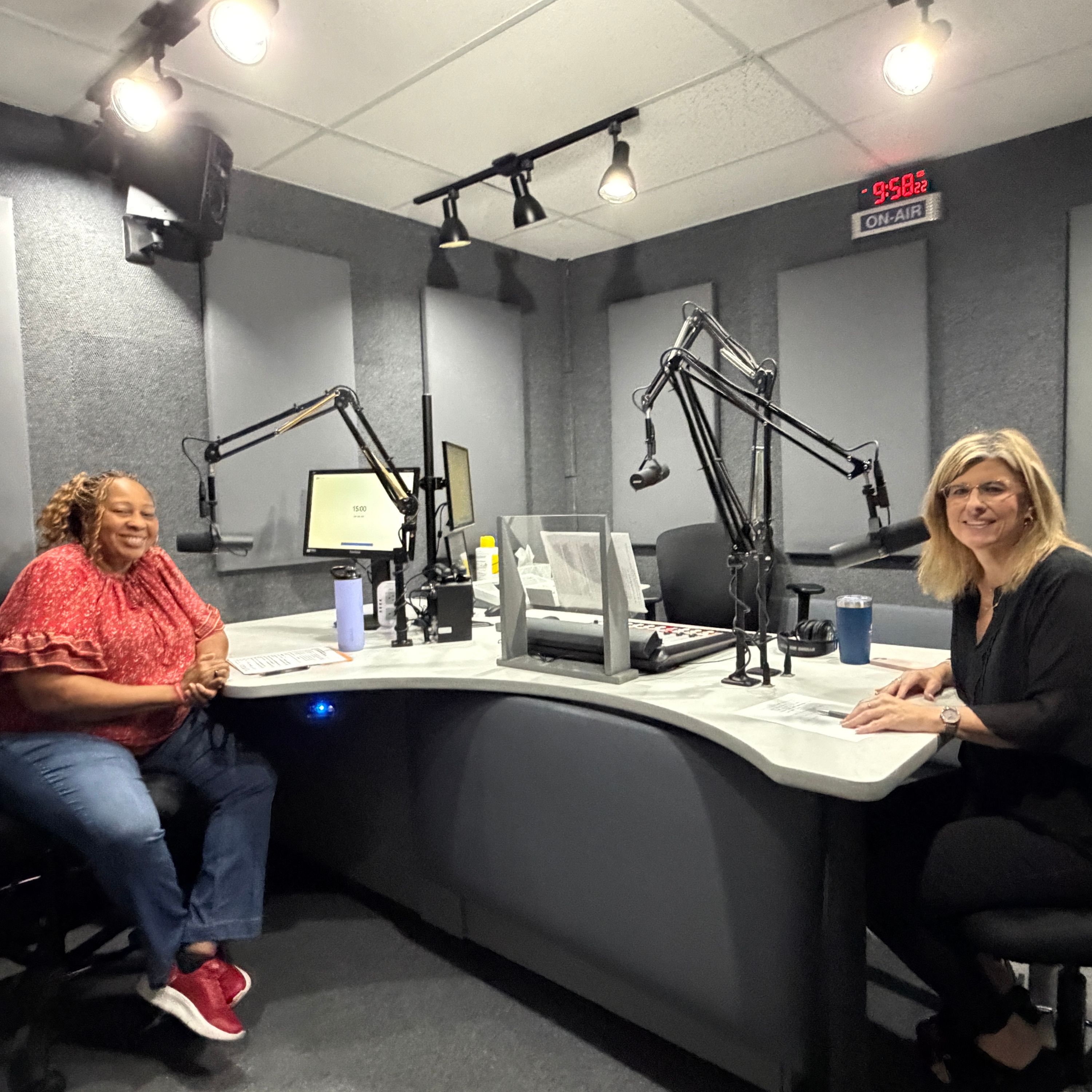
[00:00:19] Speaker B: Hello and welcome to Community Beat, where we're keeping you tuned into the topics that are impacting our local communities and helping them thrive. I'm your host, Kim Kasi McKee, and today we're raising awareness for a nonprofit organization with a mission to create inclusive communities for people with neurodiversity through education and engagement. And joining us today is Jennifer Dantzler with Inspire nd. She's gonna tell us all about it. Well, good morning, Jennifer, and thanks so much for joining us this morning.
[00:00:51] Speaker C: Good morning, and thank you so much for having me.
[00:00:54] Speaker B: So, for starters, tell us a little bit about yourself and your role at INSP.
[00:00:59] Speaker C: Sure. So I founded Inspire ND about 23 years ago. We founded as an organization originally doing direct service for young children on the autism spectrum. And then as those children got older, our program got older and we expanded our services. And just this past year, we decided to focus more on the community education and engagement piece. When I First founded Inspire ND, autism was at about 1 in 500. It's now 1 in 31.
So we can't directly serve all the children who need to be served, but we can help the community serve those individuals.
[00:01:33] Speaker B: And I understand that ND refers to neurodiversity, so tell us a little bit about that word.
[00:01:41] Speaker C: So neurodiversity is actually a term that's been around for several decades, but you're only recently hearing it, because what we've realized is autism, adhd, Tourette's, dysgraphia, dyslexia, they all have similar needs in that it's about how we learn and think and if we can understand how different people think and perceive the world and actually makes us all better people. So there's really been more of an emphasis around broadening beyond autism to include other diagnosis.
[00:02:11] Speaker B: Okay, Jennifer, tell us what has been your inspiration to give so many years of your life to this cause?
[00:02:19] Speaker C: So back in high school, I'm actually from the Northeast. We went and did mission work in Puerto Rico one summer, and I was asked to go sit with a little boy who had hydrocephaly, which is water on the brain. And I did not have any exposure growing up to people with disabilities, really, other than your typical Public school situation.
[00:02:36] Speaker B: Yes.
[00:02:37] Speaker C: And it was truly in that moment that God said, this is going to be your calling. So I went back for my senior in high school, worked at a residential facility for profound and severely disabled people, and just knew this was going to be my calling, and then went on to school for it. And it's just sort of followed God's plan every step of the way. It's certainly not been my plan. It's been his plan.
[00:02:56] Speaker B: My dad would have a definition that true success is finding God's will for your life and doing it.
[00:03:03] Speaker C: Absolutely.
[00:03:04] Speaker B: Absolutely. And that's what you've done, and that's really incredible.
[00:03:08] Speaker C: And of course, since then, what's kept me going are all the families, all the families that have trusted me, all of the amazing clients we call them, or children or guys or kiddos, whatever you want to call them, that I've interacted with that are just have so much to give back to this world. And the world is still learning how to understand them. And so it's really my passion.
[00:03:27] Speaker B: That's amazing. So tell us, Jennifer, what are some of the types of programs and services that you provide to the community and to these families?
[00:03:36] Speaker C: So we really have two buckets of service. One is education and one is engagement. So in the world of education, it is really our mission and passion to try to educate the community at large about neurodiversity. And so we will do first responder trainings. Unfortunately, there is a lot of not great things happening out there in the world when it comes to first responders interacting with especially young adults on the autism spectrum.
So we will go into any and every first responder organization and help educate them on how to interact with people with autism. In fact, on April 2, which is World Autism Day, we're going to be handing out sensory bags to all first responders so they can have these bags on their ambulances and fire trucks. If they come across someone with autism, they can help use some of these tools to help keep them calm. Another big passion of ours is neurodiversity in the workplace. 80 to 85% of people on the spectrum are either unemployed or underemployed. And that's not because they can't do it. It's because we haven't figured out, as a corporate community how to figure out their brilliance and their talent. Many times interviews are based on eye contact and handshake, regardless of their ability to do the job. And those are two things that might be a little bit more challenging for our people on the spectrum. Sure. So they don't get the second interview. And many of our clients are completely capable of holding full time jobs. And so part of our passion is really to help educate businesses on how can they employ our people with autism successfully. We will go in and really we will do community education. We'll go into churches, daycares, schools. One in four people now have neurodiversity. We're out there, they're out there. And so whether it's a daycare or a school or a church, certainly the churches have a lot of people with neurodiversity. They're still just now learning how to support them. And so we'll do that. And then the second pillar that we have is engagement where we will create autism friendly, neurodiverse friendly events in the community so that our families can feel safe to go out in the community and not be judged if their child should have a meltdown or engage in some self stimulatory behavior. And so we try to create a lot of fun events in the community.
[00:05:42] Speaker B: Wow, that is absolutely amazing. If you're just tuning in, we're speaking with Jennifer Dantzler, who is the founder and CEO of Inspire Indie. That indie stands for Neuro Diversity. So it seems just from what I've learned about your organization, you really have been kind of a pioneer in this space because there hasn't always been very much out there to serve these populations. Is that correct?
[00:06:08] Speaker C: Unfortunately, yes. With autism now being 1 in 31, I wish we were further along as far as community awareness and understanding and acceptance. But as Jim Collins says, the flywheel is starting to turn. We're trying to get it going. Sometimes it's a little lonely out there when the world doesn't quite understand what we're trying to do.
[00:06:25] Speaker B: Sure, I know that there are some projects and some initiatives coming up in the very near future. Tell us about some of those.
[00:06:32] Speaker C: Yeah, so we're very excited for the ones coming up. Last year, thanks to our state representative, Charles Cunningham, we were able to establish March 17 as profound autism Day in the state of Texas. It is a national day now and we're trying to get.
Yes, we're trying to get a lot more recognition around profound autism. Profound autism affects approximately a quarter of our autism population, but it's only represented in about 6 to 11% of research and even less in the world of funding. So our first step in trying to bring awareness and funding is just understanding what profound autism is.
So on March 17, we'll be having an event at Tin Roof here, local Ina Tascocita where parents can pick up free safety kits for their children as well. We're going to have a roundtable with Charles Cunningham from 12 to 1 where our parents can tell him a little bit about their story so that when we're back in session next year, he knows what he can go advocate for and fight for regarding funding and resources. And so you can certainly go onto our website if you'd like to be a part of that roundtable. We'd love to have you. And if you just wanna come get a safety kit. The problem with profound autism is that our parents are scared to talk about what goes on in their home out of fear of judgment and or even legal ramifications.
So part of what we're trying to do is really almost normalize that. And yes, there are parents who have to use seat belt locks in the car because if not their child will jump out of a moving car at 80 miles an who have to have a tent around their child's bed that locks at night because if not, they will get out of the house and get lost. And so part of what we're really trying to do is help bring awareness and understanding for that and have parents come and just get some free safety tools. If you think about it, a parent of a profoundly affected child is afraid to go away because hotel door locks aren't their home locks.
So one of the things in our safety kit is a traveling lock so that you could take it with you and maybe even just go to a friend's house, you know, and so those are the kinds of things we're trying to do there. On March 28, we're having our awesome extravaganza where we're having basically like an egg hunt and just fun, like kind of spring carnival where all families of all ages can come out. We feel very passionate that families, not just of children, but our young adults, everyone deserves experiences and to have fun and have fun in a judgment free zone. And then usually quarterly, we do an autism friendly bingo night at Tin Roof. And so this year that's going to be on April 30th. And then lastly, a little bit more of a fundraising event on September 10th. We'll have our big taste of the town at the humble civic center where you can come for one low ticket price and experience like 35 restaurants and vendors and have a really great time.
[00:09:03] Speaker B: Wow. So where should folks go to learn more about these events?
[00:09:07] Speaker C: All of our events
[email protected] so again, the ND stands for neurodiversity so inspirend.org and we're on all the social media platforms.
[00:09:18] Speaker B: Amazing. So, Jennifer, tell us, what are some of the ways that the community can support you? And I'm sure you've just mentioned several. By attending these different events, do you utilize volunteers or how can people come alongside you?
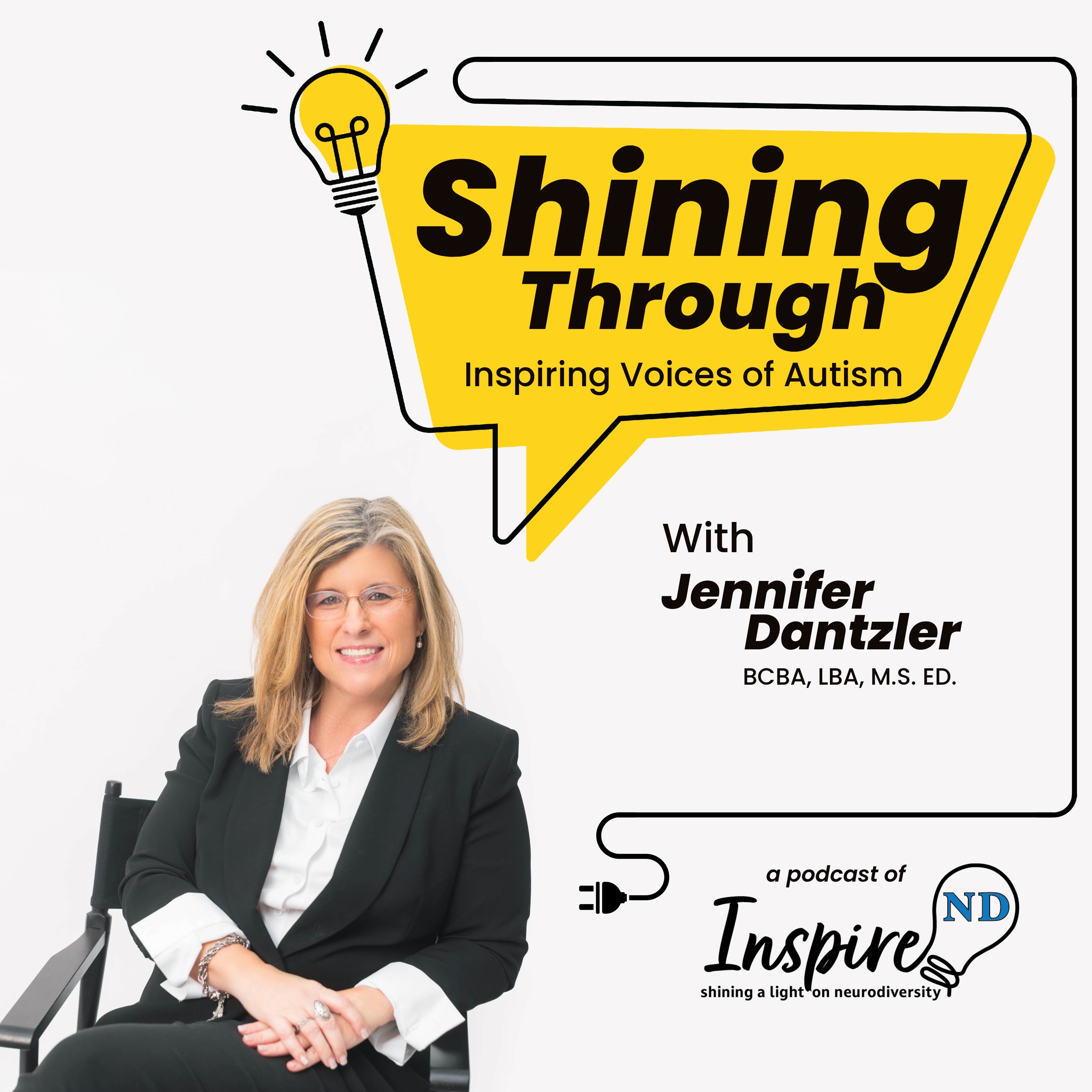
[00:09:33] Speaker C: Yes, absolutely. So I inadvertently forgot to mention earlier, we also have a wonderful podcast called Shining Inspiring Voices of Autism. And we would love for people to listen and share and follow, especially if you don't have a child with autism, but share it with someone who does. That's a place where we have parents, self advocates, professionals, everyone. Come on and just share. Over the last 30 years, I've had some incredible people come in my life who just have so much brilliance to share. And so that's the platform we do that on. So one of the ways you can help is sponsor an episode for that. But we always need volunteers. We absolutely need volunteers for our awesome extravaganza and our bingo night. We love for people to come out and help call bingo or, you know, help stuff the Easter eggs, whatever it is, we would love to have people come support it. And then, of course, as every nonprofit also always do accept monetary donations, which you can also do through our website. But really what we need mostly is for people to just open doors for us, get us into a business to talk to them about neurodiversity, get us into your local church to talk about it, just so we can truly build inclusive communities.
[00:10:36] Speaker B: Sure. So you've been at this for 30 years now. What has been rewarding for you about this work?
[00:10:44] Speaker C: So many things. I think part of it is that it still humbles me how much my families have entrusted me with their child. For some of our. Our families, you know, they have nonverbal or what we call emerging verbal children, and they trust what I say and they trust me to educate their child. They trust me to guide them in hard conversations about the future. It's really very humbling, a little scary at times. Very humbling and rewarding. And it's really just the people on the spectrum themselves, like, they have so much to offer. I always say that my guys on the spectrum can see into your soul, so your soul better be right.
[00:11:20] Speaker B: I love that. So how can we be praying for the ongoing work of Inspirend in the days ahead?
[00:11:29] Speaker C: People learning to give grace to other people. And one of the things I always say is when people say, how can I help? I say, just ask. Just ask that neighbor who has the child with autism. What can we do for the block parties that you're willing to bring him out to the block party? Can we have different colored plates so that he knows to only eat off certain plates if he has food allergies? Can we not have a speaker of music, you know, because the sound might be too much like, what can we do to help each other? If you're in a grocery store and a parent and a child maybe knocks over a display because they're having frustration, just go up and start picking up the things. Don't even ask to help. Don't walk away. And please don't judge. I guess what we always need prayers for is more grace as a community in general and then really prayers for where's Inspire and D supposed to go? Meaning what can we do now and in the future to help support the autism community?
[00:12:19] Speaker B: Awesome. Well, we are so grateful for the work that you've done all these years in this space. So Jennifer, just let us know, where can folks go to keep up with Inspirend?
[00:12:31] Speaker C: Yes, you can go to inspirend.org and also on the website is several free trainings and workshops that you can that parents and families and educators can access.
And so inspirend.org and then Facebook, Instagram, LinkedIn, all the social media platforms, you name it, we are there.
[00:12:50] Speaker B: Well, again, Jennifer, we just want to thank you for the wonderful work that you and your team and volunteers people are doing to support these families who are dealing with neurodiversity issues. And so our thoughts and prayers are absolutely with you.
[00:13:05] Speaker C: Thank you so much.
[00:13:06] Speaker B: So we've been speaking with Jennifer Dantzler who is the executive director and founder of Inspire nd and to learn more about this great organization, go to inspirend.org that's inspireindy.org and as always, thank you to our wonderful audience for joining us. And we hope you'll tune in again next week for another edition of Community Beat. I'm Kim Kasi McKee on 89.3 KSBJ.
[00:13:35] Speaker A: Thanks for joining us for Community Beat with Kim Kasse McKee. Join us every Saturday morning at 5:30 on 89.33 KSBJ.